Program
Speakers
A confirmed list will grow as the program is finalized.
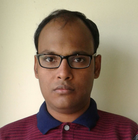
Prof. Dipjyoti Das
IISER Kolkata

Prof. P B Sunil Kumar
IIT Madras
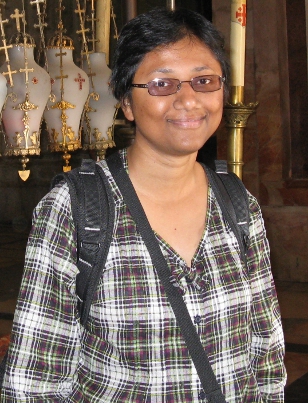
Prof. Sakuntala Chatterjee
SNBNCBS Kolkata
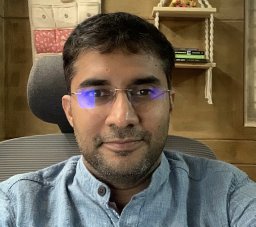
Prof. Vishwesha Guttal
IISc Bangalore
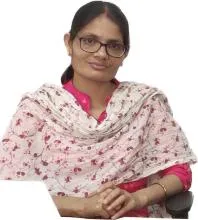
Prof. Shradha Mishra
IIT(BHU) Varanasi
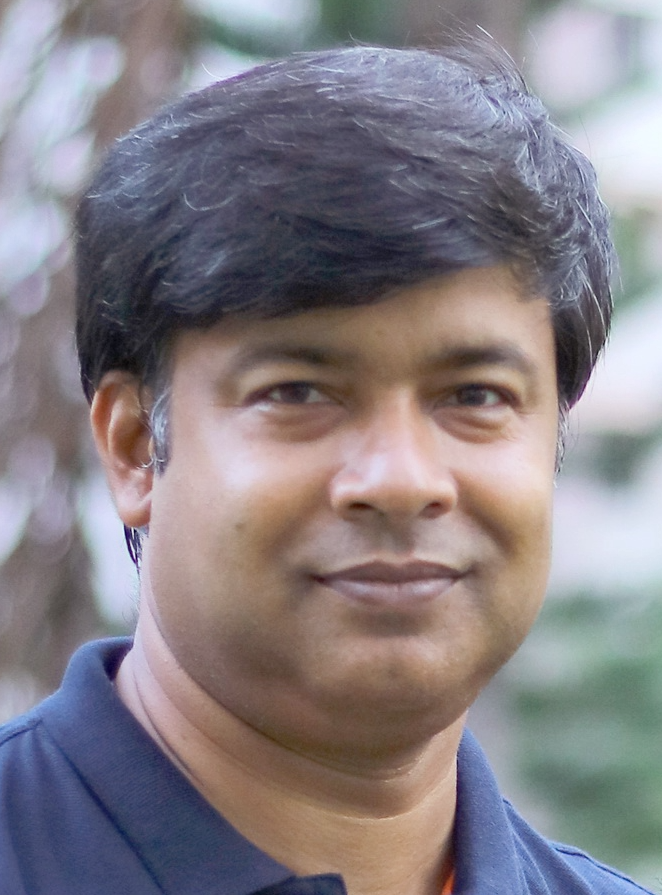
Prof. Saroj Kumar Nandi
TIFR Hyderabad
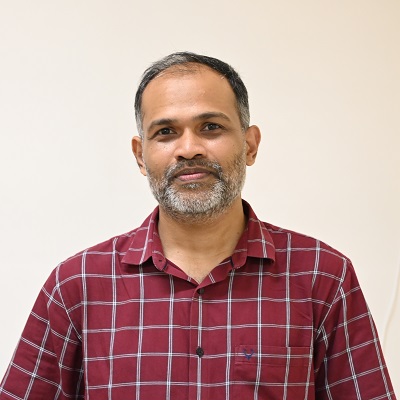
Prof. Sumesh P Thampi
IIT Madras
Prof. Punyabrata Pradhan
SNBNCBS Kolkata
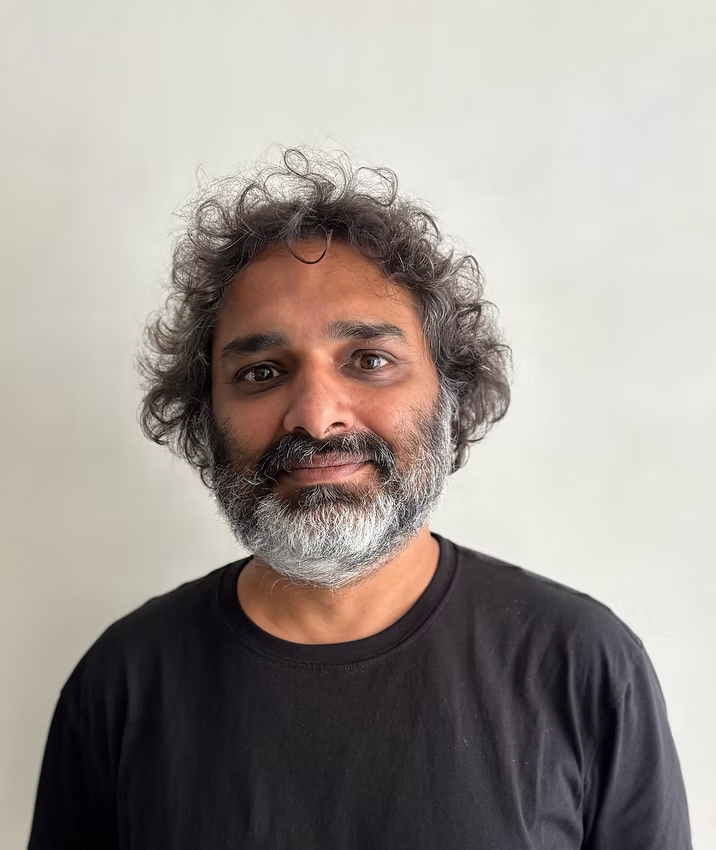
Prof. Ramray Bhat
IISc Bangalore
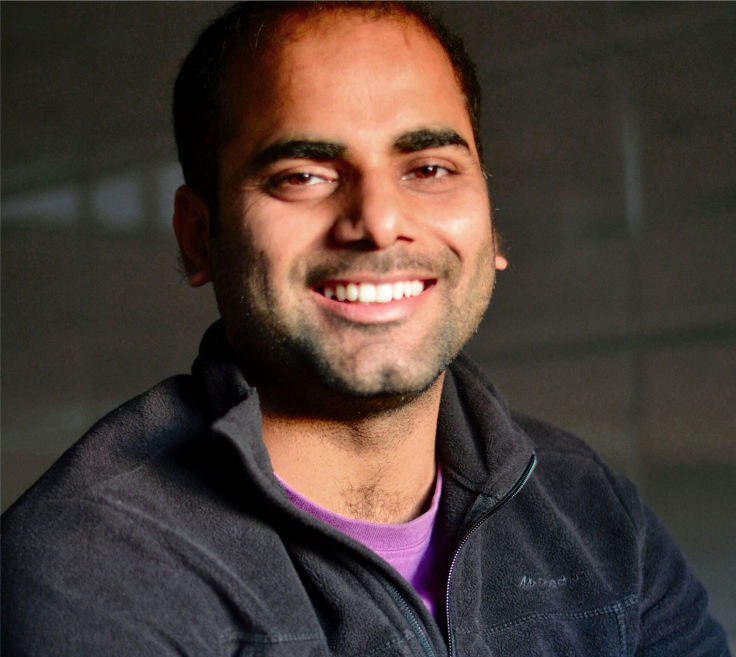
Prof. Rajesh Singh
IIT Madras
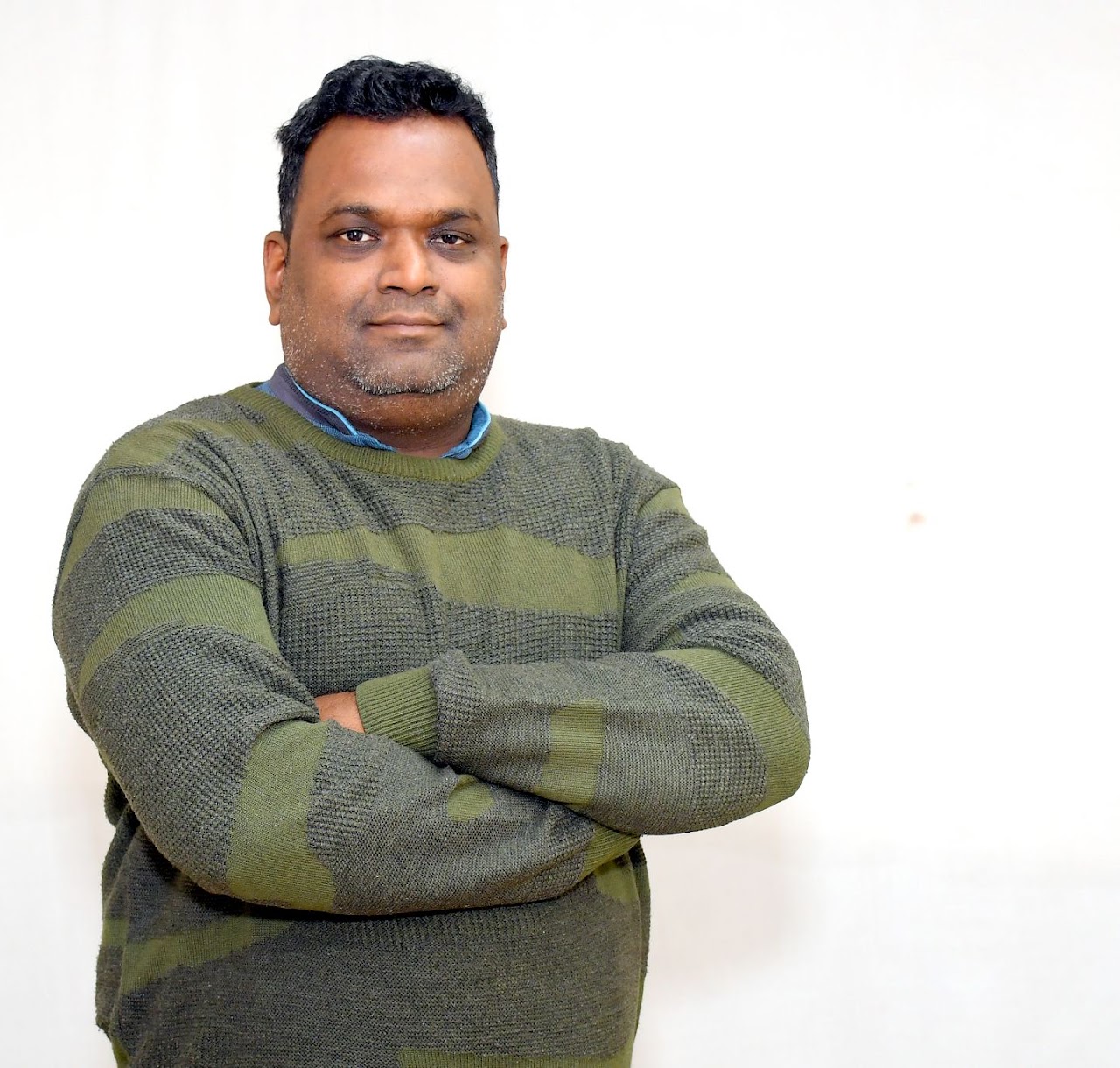
Prof. Sivasurender Chandran
IIT Kanpur
Prof Anil Kumar Dasanna
IISER Mohali
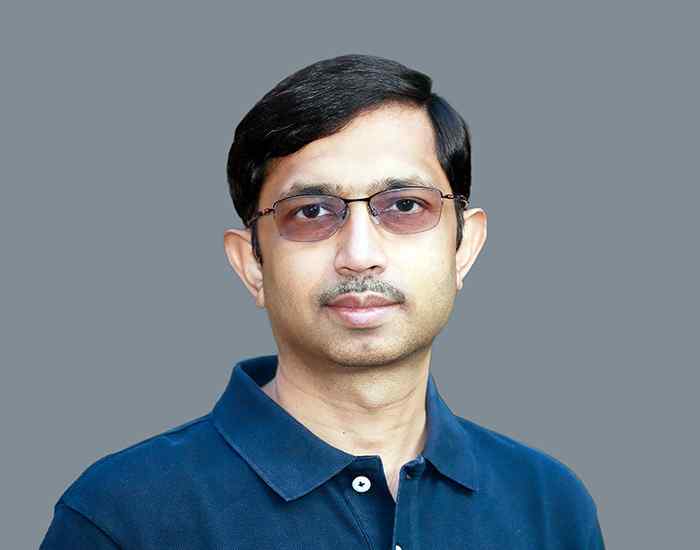
Prof Manas Khan
IIT Kanpur
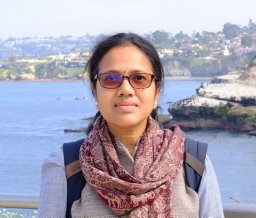
Prof Rumi De
IISER Kolkata
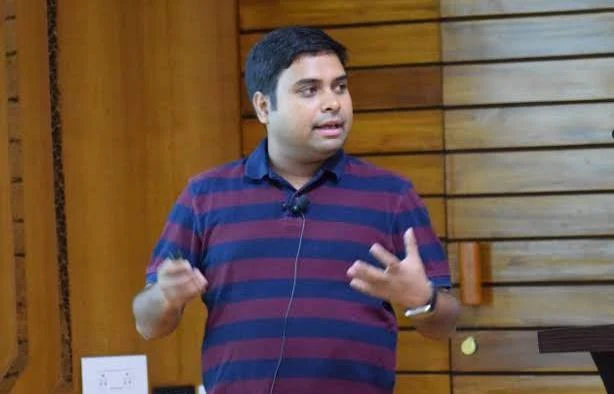
Prof Tamal Das
TIFR Hyderabad
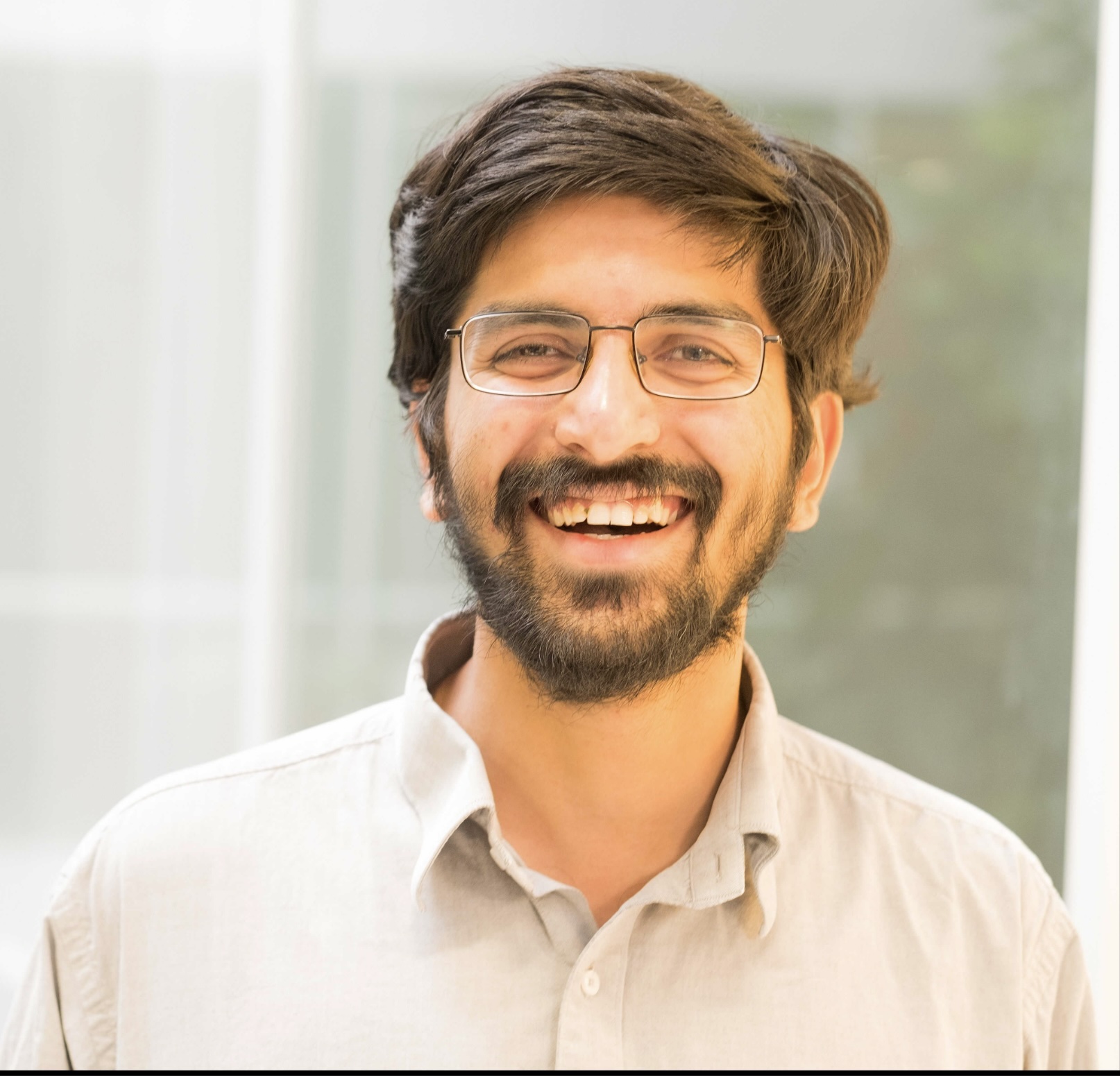
Prof Archishman Raju
NCBS Bangalore
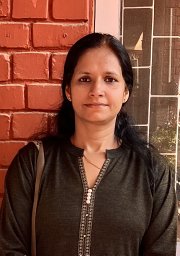
Prof Garima Mishra
Ashoka University
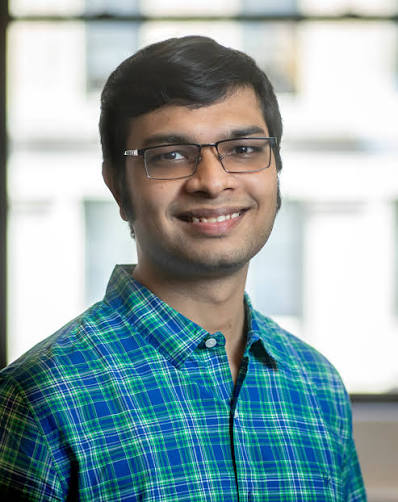
Prof Brato Chakrabarti
ICTS Bangalore

Prof Tapomoy Bhattacharjee
NCBS Bangalore
Prof Sumantra Sarkar
IISc Bangalore
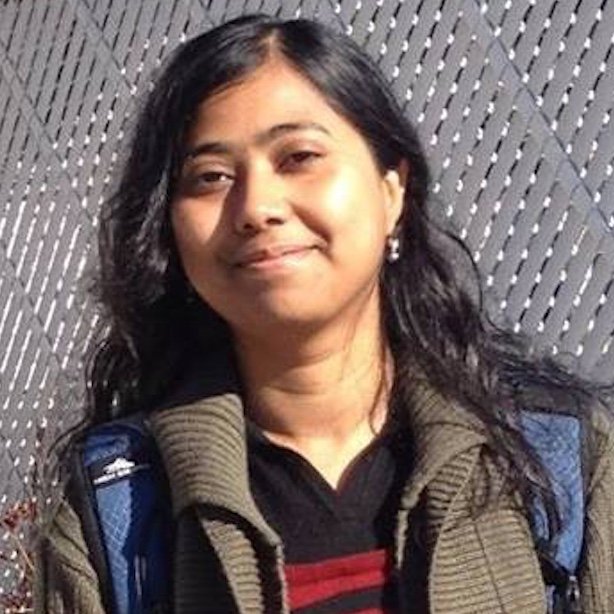
Prof Pushpita Ghosh
IISER Thiruvananthapuram

Prof Sandeep Choubey
IMSc Chennai
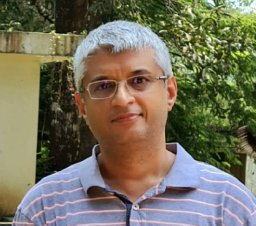
Prof Rajesh Ganapathy
JNCASR Bangalore
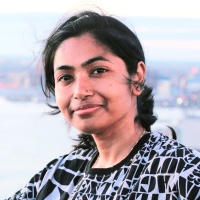
Prof Pritha Dolai
NITK Surathkal
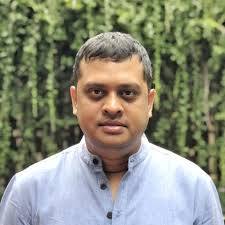
Prof. Rituparno Mandal
RRI Bangalore
Prof. Ansuman Lahiri
University of Calcutta
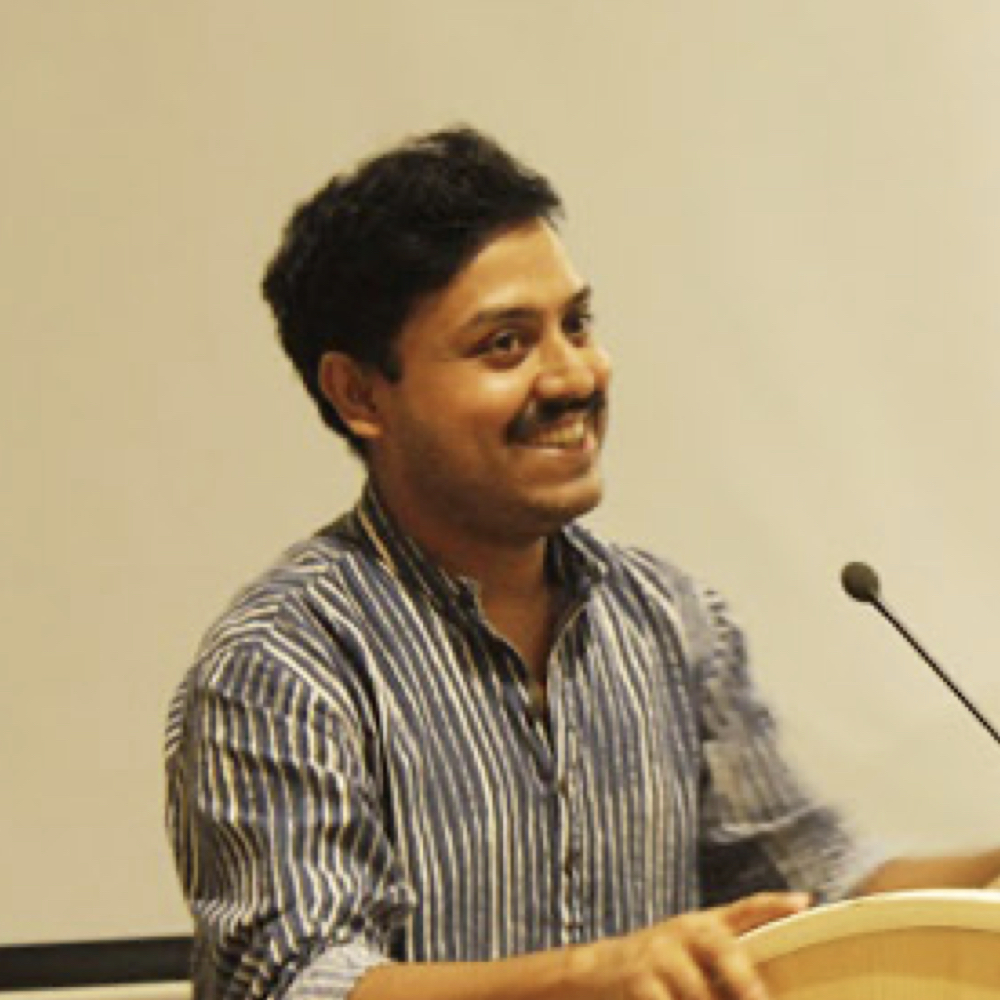
Prof. Abhishek Chaudhuri
IISER Mohali
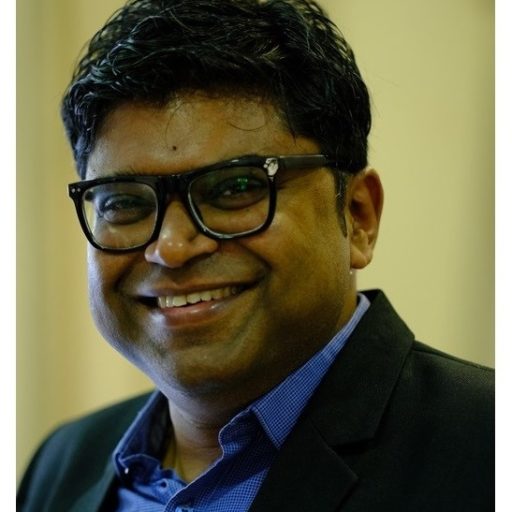
Prof. Arpan Banerjee
NBRC Haryana
Program
Schedule
14:00
Registration & coffee
Foyer opens
Vikramshila Foyer
14:45
Welcome & opening remarks
Organizing committee
Gargi Auditorium
15:00 - 19:00
Talks
Invited Speakers Session
Gargi Auditorium
19:30 onwards
Dinner
Vikramshila Foyer
08:00 -09:00
Breakfast
Vikramshila Foyer
09:00 - 10.30
Talks
Invited Speakers Session
Gargi Auditorium
10:30
Cofee
—
Vikramshila Foyer
11:00-13.00
Talks
Invited Speakers Session
Gargi Auditorium
13:00
Lunch and Poster Session
Vikramshila Foyer
15:00-17.00
Talks
Invited Speakers Session
Gargi Auditorium
17:00-17.30
Cofee
Vikramshila Foyer
17:30-19:30
Talks
—
argi Auditorium
19:30
Workshop dinner
—
[OFFSITE]
08:00 -09:00
Breakfast
Vikramshila Foyer
09:00 - 10.30
Talks
Invited Speakers Session
Gargi Auditorium
10:30
Cofee
—
Vikramshila Foyer
11:00-13.00
Talks
Invited Speakers Session
Gargi Auditorium
13:00
Lunch
Vikramshila Foyer
15:00
Departure
Logistics
Venue & travel
- Venue
- Vikramshila Foyer, IIT Kharagpur, West Bengal, India
- Accommodation
- Hostel — students, research trainees & postdocs
- Technology Guest house — faculty, scientists & industry
Registration & call for posters
Registration is open to researchers, graduate, undergraduate, and master's students across physics, chemistry, mathematics, biology, engineering, and medical sciences.
Registration fees
- Students, research trainees & postdocs₹1,500
- Faculty, scientists & industry₹3,000
- Registration closesNov 20, 2026
- Workshop datesNov 27–29, 2026
Organizers